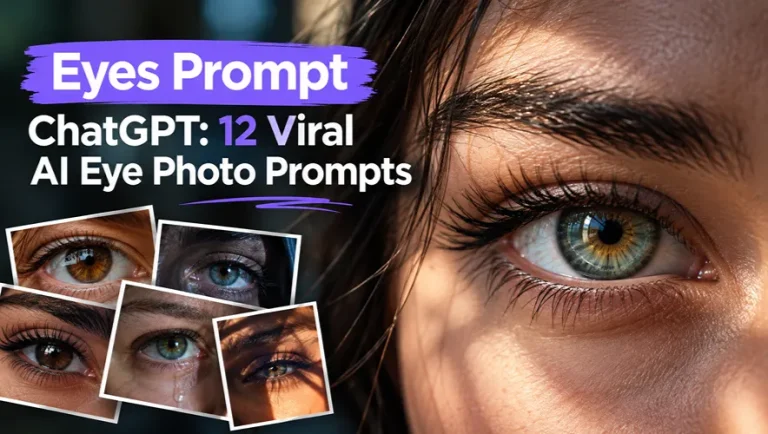
Eyes Prompt ChatGPT: 13 Viral AI Eye Photo Prompts
An eyes prompt ChatGPT is a detailed instruction you can give to ChatGPT or another AI image generator to create realistic eye-focused portraits, close-ups, aesthetic edits, emotional photos, couple images, and cinematic social-media pictures. The best results come from describing the eyes, identity, lighting, camera, composition, skin texture, mood, and unwanted AI artifacts instead of simply asking for “beautiful eyes.”
Eye-focused AI photography has become popular because a tight crop can make a simple portrait feel emotional and cinematic. Current prompt examples commonly use macro-style framing, realistic eye reflections, shallow depth of field, dramatic lighting, and natural skin texture.
If you want to create an eyes prompt ChatGPT image from your own photo, upload a clear reference image first and tell the model to preserve your identity. Then choose a style below and paste the complete prompt.
Best Eyes Prompt ChatGPT Ideas for AI Photo Editing
A strong eyes prompt ChatGPT should control more than the appearance of the iris. It should tell the image generator exactly what to preserve, where the light comes from, how the camera should frame the face, and what mistakes to avoid.
Here are ready-to-use prompts for different visual styles.
Below are thirteen complete, ready-to-paste prompts, each built for a different mood — from a soft aesthetic close-up to an emotional crying edit to a romantic couple portrait. Upload a clear reference photo first, then paste the prompt right after it. Tap View Full Prompt to expand any box, then Copy Prompt to grab it in one tap.
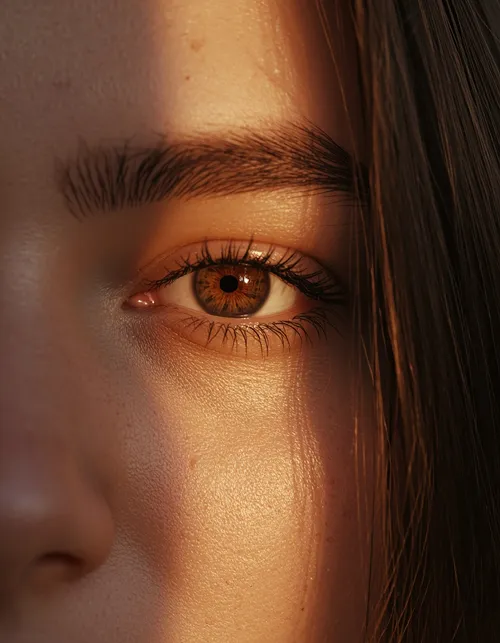
1. Aesthetic Girl Eye Close-Up
GIRLS AESTHETIC
A tight, dreamy close-up on one eye with warm golden-hour light — built for a soft, cinematic Instagram portrait.
Create an ultra-realistic cinematic close-up portrait using the uploaded reference photo as the strict identity reference. Preserve the person’s exact identity, natural skin tone, facial structure, eye shape, eyebrows, eyelashes, and recognizable features with no beautification, no face reshaping, and no alteration of identity. Retain natural pores, subtle skin texture, tiny imperfections, and natural facial asymmetry; do not create AI-perfect symmetry or overly smooth plastic skin. Focus tightly on one expressive brown eye with realistic iris detail, natural catchlights, fine eyelashes, and a soft dreamy gaze. Use warm golden-hour light coming from the upper-left at approximately 4500K, with gentle shadow falloff across the face. Photograph it with an 85mm portrait lens at f/1.8, shallow depth of field, realistic optical bokeh, and sharp focus on the eye. Hair strands and skin must retain physically realistic texture, with individual fibers and pores visible. Compose the image vertically in a 4:5 Instagram portrait format with a relaxed, natural expression and slightly turned face. Avoid extra eyes, duplicated features, distorted eyelashes, artificial skin, excessive makeup, harsh highlights, malformed anatomy, text, logos, and watermarks.
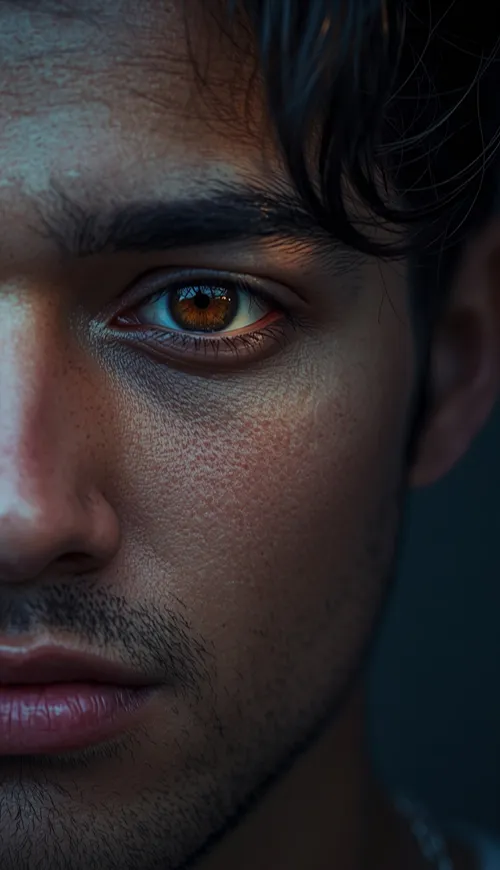
2. Viral Boys Eye Portrait
BOYS PORTRAIT
Keeps the eye sharp while hair and background fall naturally out of focus — cool evening light, intense eye contact, and a cinematic edge.
Transform the uploaded reference photo into an ultra-realistic cinematic male eye portrait while preserving the person’s exact identity, skin tone, face shape, eye structure, eyebrows, hairline, and unique facial features with no beautification and no alteration of identity. Keep natural pores, slight skin irregularities, fine facial hair, subtle asymmetry, and realistic skin texture instead of creating perfectly smooth AI skin. Show a tight crop of the upper face with one brown eye looking naturally toward the camera and slightly messy dark hair falling near the eyebrow. Use cool blue evening light from the right side at approximately 3800K combined with a subtle neutral fill from the front. Capture the image with an 85mm lens at f/1.8, shallow depth of field, realistic bokeh, and precise optical focus on the iris. Hair must show individual strands and skin must have physically believable pores and texture. Use a vertical 9:16 composition suitable for Instagram Stories or Reels, with a calm, confident, non-stiff expression. Avoid extra eyes, warped eyebrows, artificial skin, exaggerated muscles, duplicate facial features, harsh silhouettes, text, logos, and watermarks.
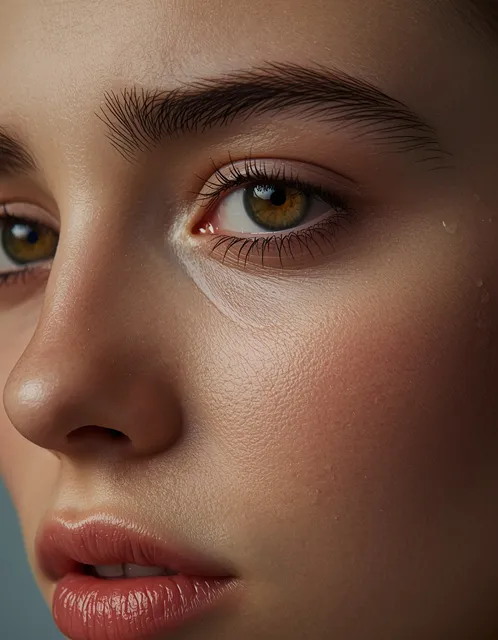
3. Crying Eyes and Sad Aesthetic
EMOTIONAL / SAD
Built for restraint, not exaggeration — subtle moisture, natural tear trails, and a quiet, believable sadness rather than cartoonish tears.
Create an ultra-realistic emotional close-up from the uploaded reference image, preserving the person’s exact identity, original eye shape, skin tone, facial structure, eyebrows, eyelashes, and recognizable features with no beautification or identity alteration. Keep natural pores, fine skin texture, minor imperfections, subtle facial asymmetry, and realistic under-eye detail; do not make the skin perfectly smooth or symmetrical. Show the person with a quiet, genuinely sad expression, slightly lowered gaze, moist eyelashes, glossy eyes, and one natural tear following the cheek without exaggeration. Use a soft window light source positioned 45 degrees to the left at approximately 4300K, producing gentle shadows and realistic reflections in the eyes. Shoot with an 85mm lens at f/1.8 with shallow depth of field and cinematic background separation. Skin, eyelashes, hair, and tear texture must look physically realistic rather than glossy or plastic. Use a vertical 4:5 Instagram composition with the face relaxed and emotionally natural. Avoid oversized tears, cartoon effects, bloodshot exaggeration, distorted eyes, extra facial features, plastic skin, excessive sharpening, text, logos, and watermarks.
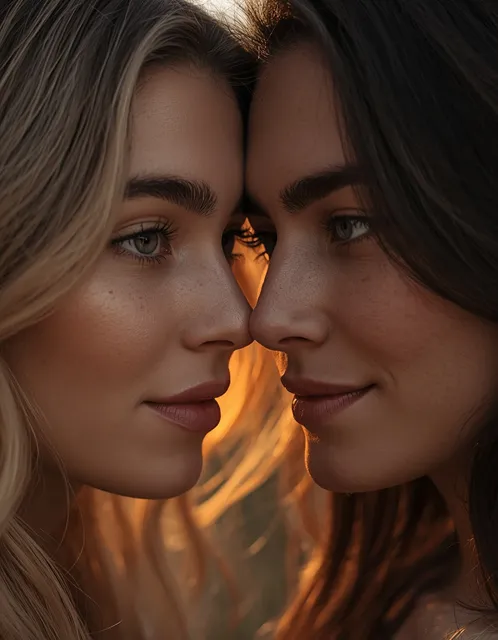
4. Romantic Couple Eye Contact
COUPLE ROMANTIC
Needs an extra identity-preservation clause for two people, so the AI keeps both faces distinct instead of blending them.
Create an ultra-realistic romantic close-up portrait of the two people shown in the uploaded reference photos, preserving each person’s exact identity, natural skin tone, facial structure, eye shape, eyebrows, hair, and recognizable features with no beautification and no identity alteration. Keep both faces clearly separate and recognizable, with natural pores, subtle skin texture, minor imperfections, and authentic facial asymmetry; do not create AI-perfect skin or blend the two identities together. Position the couple close together with their faces naturally angled toward each other and their eyes meeting in a soft romantic gaze. Use warm sunset light entering from the rear-left at approximately 4800K, creating a subtle golden rim around the hair and soft fill across the eyes. Capture the scene with an 85mm lens at f/2, shallow depth of field, realistic bokeh, and sharp focus on both eyes. Hair, skin, and clothing fibers must have physically accurate texture and natural drape. Use a vertical 4:5 composition designed for an Instagram couple photo. Keep the pose relaxed and intimate rather than stiff. Avoid merged faces, duplicated eyes, mismatched skin tones, extra limbs, malformed hands, artificial skin, text, logos, and watermarks.
5. Couple Instagram Eye Wallpaper
COUPLE WALLPAPER
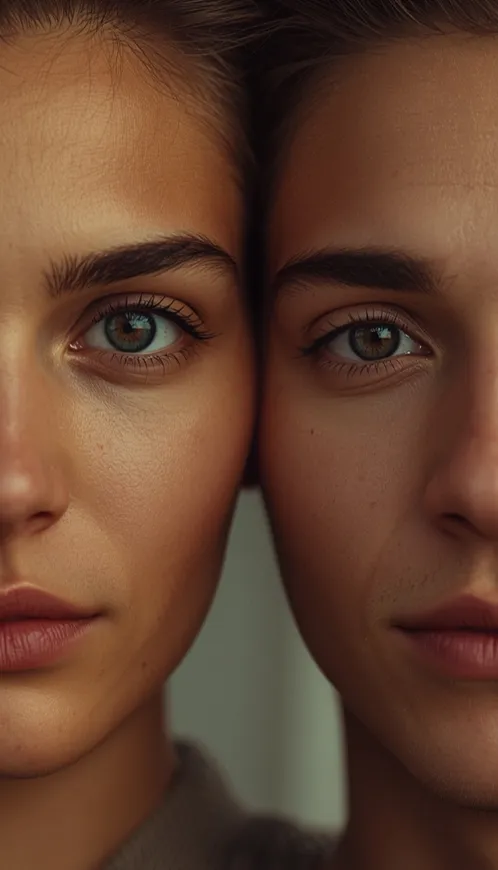
A tighter, more controlled composition built specifically for a Story or phone-wallpaper crop.
Generate an ultra-realistic cinematic couple portrait from the uploaded reference images, preserving both people’s exact identities, skin tones, facial features, eye shapes, eyebrows, and natural appearance with strict identity preservation, no beautification, and no alteration of either person’s identity. Retain natural pores, fine skin texture, tiny imperfections, realistic facial asymmetry, and individual hair strands; avoid perfectly smooth AI skin. Frame only the upper portions of both faces with one eye from each person visible, positioned close together and looking naturally toward the camera. Use soft warm window light from the upper-right at approximately 4000K with gentle reflected fill from the left. Photograph with an 85mm lens at f/1.8, shallow depth of field, natural optical bokeh, and realistic eye catchlights. Skin, eyelashes, hair, and clothing edges must retain physical texture. Use a 9:16 vertical composition suitable for an Instagram Story or phone wallpaper. Give the couple a relaxed, affectionate expression and natural eye contact. Avoid face blending, duplicate eyes, distorted facial proportions, artificial symmetry, extra fingers, text, interface elements, logos, and watermarks.
6. Red Eye Cinematic AI Prompt
CINEMATIC / MOODY
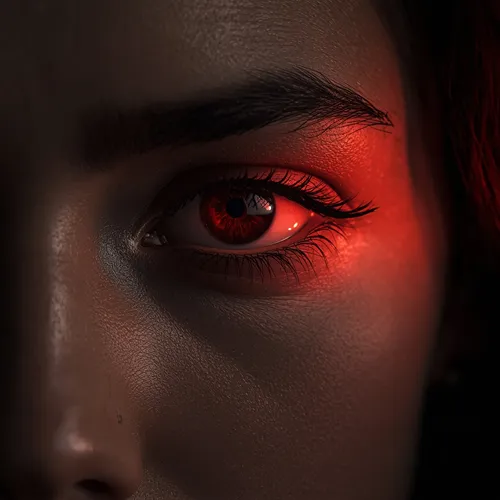
A dramatic red practical-light reflection in the iris — moody and editorial without tipping into an unnatural, glowing-eye look, Get More Cinematic AI Prompt.
Create an ultra-realistic cinematic eye portrait using the uploaded reference photo as a strict identity reference. Preserve the exact identity, natural skin tone, facial structure, eye shape, eyebrow pattern, eyelashes, and all recognizable facial characteristics with no beautification and no alteration of identity. Preserve natural pores, subtle skin texture, minor imperfections, and facial asymmetry rather than producing smooth AI-perfect skin. Create a dramatic close-up with a deep natural brown eye reflecting a subtle red environmental light, giving the image a moody editorial atmosphere without making the eye unnaturally glowing. Place a soft red practical light source 30 degrees behind the subject on the right at approximately 3200K and a weak neutral fill from the front-left. Use an 85mm lens at f/1.4 with shallow depth of field and realistic bokeh. Hair and skin must retain individual physical texture, while reflections in the iris must follow realistic lighting physics. Use a square 1:1 composition for an Instagram profile image, with a calm, intense, natural gaze. Avoid glowing fantasy eyes, excessive redness, distorted pupils, extra eyes, plastic skin, harsh silhouettes, text, logos, and watermarks.
7. Aesthetic Boy With Eye Contact
EDITORIAL BOYS
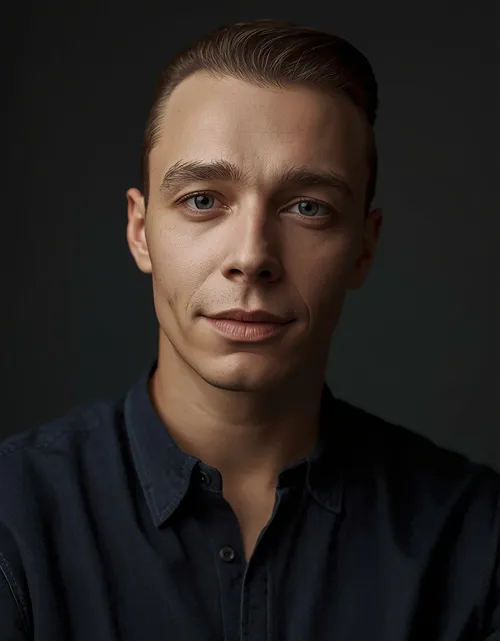
Soft afternoon window light and a relaxed, confident gaze — closer to an editorial headshot than a filtered selfie.
Create an ultra-realistic editorial portrait from the uploaded reference photo, preserving the person’s exact identity, natural skin tone, facial structure, eye shape, eyebrows, hairstyle, and distinctive features with no beautification and no identity alteration. Retain realistic pores, subtle skin texture, fine facial hair, minor imperfections, and natural facial asymmetry; avoid AI-perfect symmetry and excessively smooth skin. Show the subject looking directly into the camera with relaxed, confident eye contact while wearing a simple dark textured shirt. Use soft afternoon window light entering from the left at approximately 5000K, with natural shadow gradients across the right side of the face. Capture the portrait with an 85mm lens at f/1.8, shallow depth of field, realistic bokeh, and detailed optical rendering. Fabric must show believable woven texture and natural folds, while hair must contain individual strands. Use a vertical 4:5 Instagram composition with a relaxed shoulder position and natural expression. Avoid stiff posing, over-smoothed skin, exaggerated jawlines, malformed eyes, extra facial features, text, logos, and watermarks.
8. Soft Aesthetic Eye Contact for Girls
SOFT AESTHETIC
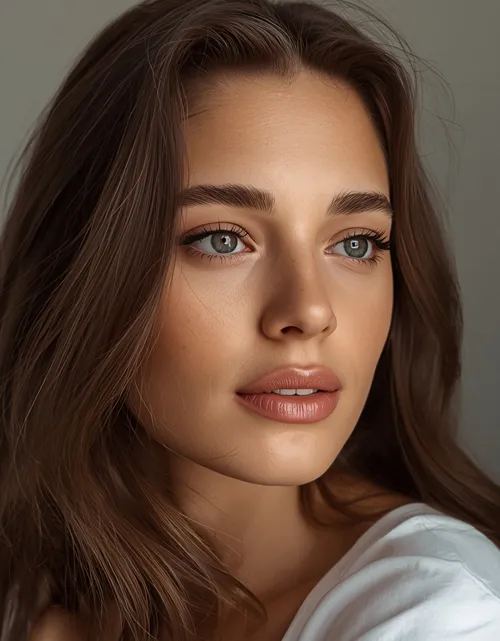
Diffused morning light and a relaxed, understated look — best for a clean, natural Instagram feed shot.
Create a photorealistic soft-aesthetic portrait using the uploaded reference image as a strict identity reference. Preserve the person’s exact face, identity, skin tone, eye shape, eyebrows, eyelashes, hairline, and natural facial characteristics with no beautification and no alteration of identity. Maintain visible pores, fine skin texture, subtle imperfections, and natural facial asymmetry; do not produce plastic, overly smooth, or AI-perfect skin. Show the subject looking slightly past the camera with a gentle, natural expression and relaxed posture, with loose hair framing one side of the face. Use diffused morning window light from the left at approximately 5200K, creating soft highlights and gradual shadows. Capture the image using an 85mm lens at f/1.8 with shallow depth of field and realistic background blur. Hair strands and any visible clothing fabric must have physically accurate texture and natural movement. Use a vertical 4:5 Instagram-ready composition with a clean, understated aesthetic. Avoid excessive beauty filters, unrealistic eyes, distorted eyelashes, unnatural skin color, facial reshaping, text, logos, and watermarks.
9. Rainy Window Eye Reflection
RAIN WINDOW REFLECTION
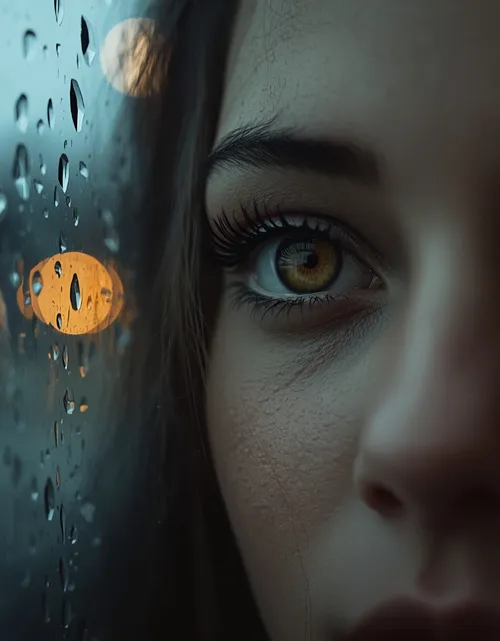
A cinematic reflection trend — blurred raindrops on glass and a faint city-light reflection sitting inside the iris.
Create an ultra-realistic cinematic close-up portrait using the uploaded reference photo as the strict identity reference. Preserve the person’s exact identity, skin tone, facial structure, eye shape, eyebrows, eyelashes, and natural features with no beautification and no alteration of identity. Retain natural pores, subtle skin texture, minor imperfections, and natural facial asymmetry; avoid AI-perfect symmetry or plastic skin. Frame a tight close-up on one eye positioned near a rain-streaked window, with soft blurred raindrops on the glass and a faint reflection of city lights visible inside the iris. Use cool blue-grey ambient light from the window at approximately 6000K mixed with a warm interior light source from the side at approximately 3200K. Capture the image with an 85mm lens at f/1.8, shallow depth of field, and realistic optical bokeh from the blurred background lights. Skin, eyelashes, and hair must retain physically accurate texture, and moisture on the glass must scatter light naturally rather than looking like a flat overlay. Use a vertical 4:5 Instagram composition with a calm, reflective, slightly distant expression. Avoid extra eyes, distorted eyelashes, unrealistic reflections, artificial skin, text, logos, and watermarks.
10. Eye Makeup / Glam Eyeliner Close-Up
EYE MAKEUP GLAM
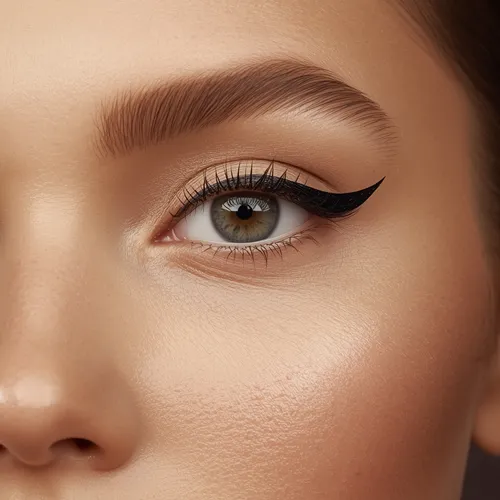
A beauty-macro style prompt for a precise winged eyeliner or soft eyeshadow look, lit like a studio product shot rather than a candid portrait.
Create an ultra-realistic beauty close-up using the uploaded reference photo as the strict identity reference, preserving the person’s exact identity, skin tone, facial structure, eye shape, eyebrows, and natural features with no beautification and no alteration of identity beyond the described makeup. Retain natural pores, subtle skin texture, and natural facial asymmetry; do not smooth the skin into an artificial AI-perfect finish. Show a tight macro crop of one eye wearing a precise graphic winged eyeliner and softly blended neutral eyeshadow, with clean, well-defined lash lines and natural individual eyelashes. Use bright, even studio light from the front at approximately 5500K with a small secondary catchlight source to highlight the liner’s sharp edge. Capture the image with a 100mm macro lens at f/4 for even sharpness across the lid and lashes, with a softly blurred neutral background. Skin and makeup must show physically real texture — visible pores beneath the makeup and slight sheen rather than a flat digital painted look. Use a square 1:1 composition suitable for a beauty-focused Instagram post. Avoid smudged or asymmetrical liner, distorted eye shape, extra lashes, artificial plastic skin, text, logos, and watermarks.
11. Eye Collage Aesthetic Grid
EYE COLLAGE
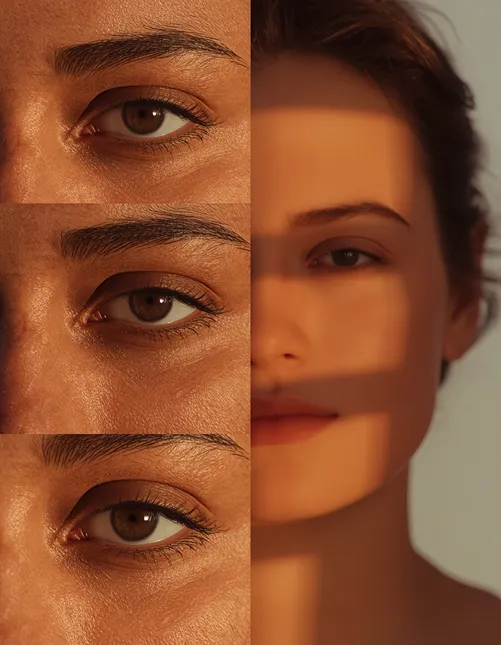
The multi-panel “eye collage” trend from the style table above — several coordinated close-ups arranged into one aesthetic post or story.
Using the uploaded reference photo as the strict identity reference, create an aesthetic multi-panel eye-focused collage while preserving the person’s exact identity, skin tone, facial structure, and features with no beautification and no alteration of identity. Retain natural pores, subtle skin texture, and natural facial asymmetry throughout every panel; avoid AI-perfect smoothed skin. Arrange three to four coordinated panels in a single vertical composition: one tight close-up of a single eye with natural catchlights, one wider shot including the eyebrow and upper cheekbone, one detail shot of eyelashes and lid texture, and one softly blurred full-face silhouette in the background of the grid. Use consistent warm soft light across all panels at approximately 4300K coming from the upper-left, so the lighting feels unified rather than mismatched between panels. Render each panel as if shot with an 85mm lens at f/1.8 for the close-ups and a 50mm lens at f/2.2 for the wider panel, keeping shallow depth of field throughout. Keep hair strands, pores, and fabric edges physically textured across every panel. Use a vertical 4:5 or 9:16 composition suitable for an Instagram carousel or story. Avoid mismatched skin tones between panels, duplicated or extra eyes, distorted proportions, text, logos, and watermarks.
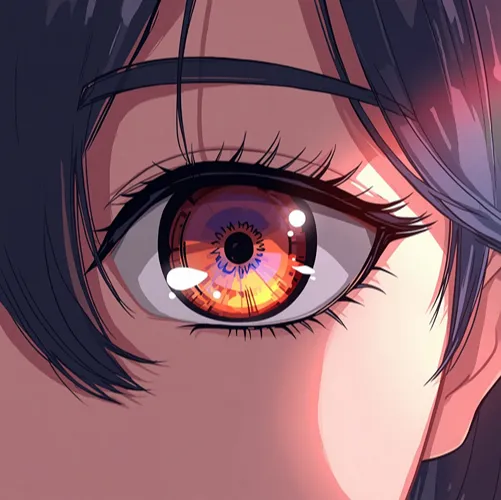
12. Anime-Style Stylized Eye Illustration
ANIME STYLE
For the non-photorealistic side of this trend — a hand-drawn anime-inspired eye illustration that keeps a loose likeness rather than full photo realism.
Using the uploaded reference photo as a loose likeness reference, create a stylized anime-inspired illustration focused on one eye, keeping the person’s general face shape, eye shape, hair color, and recognizable likeness intentionally recognizable while rendering it in a clean anime illustration style rather than photorealism. Draw large, expressive iris detail with layered color gradients, sharp specular highlights, and fine individual eyelash linework in a hand-drawn digital art style. Use dramatic rim lighting from the upper-right in a cool-to-warm gradient, with soft cel-shaded shadow blocking across the brow and lid. Compose the illustration as a tight close-up crop on the eye and upper cheek, with soft painterly bokeh-style color blur in the background rather than a photographic lens effect. Render hair strands in clean stylized linework with layered color highlights rather than photographic texture. Use a square 1:1 or vertical 4:5 composition suitable for an Instagram profile picture or aesthetic feed post. Avoid photorealistic skin texture, avoid distorted iris shape, avoid extra eyes, avoid text, logos, and watermarks.
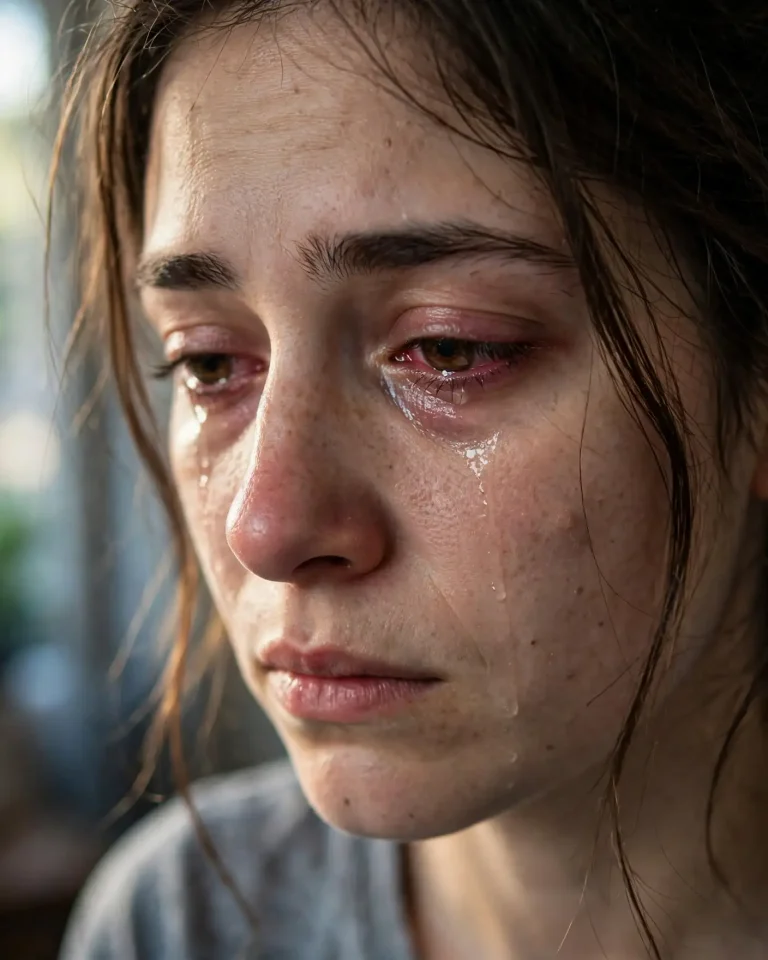
13. Prompt for Red Crying Eyes
RED CRYING EYES
Swollen eyelids, naturally reddened eyes and real tear trails — a realistic after-crying look, not a glowing or horror-style red eye.
Create an ultra-realistic emotional close-up portrait using the uploaded reference photo as the strict identity reference. Preserve the person’s exact identity, natural skin tone, facial structure, eye shape, eyebrows, eyelashes, and recognizable features with no beautification, no face reshaping, and no alteration of identity. Retain natural pores, fine skin texture, under-eye detail, minor imperfections, and natural facial asymmetry; do not create AI-perfect symmetry or smooth plastic skin. Show the person right after crying: eyes naturally reddened with fine pink veins in the whites, slightly swollen and pink-tinted eyelid rims, a flushed nose tip, moist clumped eyelashes, glossy tear-filled eyes, and two realistic tear trails running down the cheek, with a quiet, exhausted, slightly lowered gaze. Use soft window light from the left at 45 degrees at approximately 4300K, with cool ambient fill from the right so the redness stays natural and the tear highlights catch the light. Photograph it with an 85mm lens at f/1.8, shallow depth of field, realistic bokeh, and sharp focus on the nearest eye. Skin, wet lashes, hair strands, and tear droplets must look physically real, with natural light refraction rather than glossy or painted effects. Compose vertically in a 4:5 Instagram portrait format with the face relaxed and emotionally believable, not dramatic. Avoid glowing red eyes, horror or demonic effects, excessive blood-red veins, cartoon or oversized tears, distorted pupils, extra eyes, plastic skin, over-sharpening, text, logos, and watermarks.
Each of these can be adjusted further — swap the described gender, hairstyle, or wardrobe, add “preserve each individual’s separate identity; do not blend facial features” for a couple or group photo, or change the lighting instruction if only that one detail is off.
How to Use an Eyes Prompt in ChatGPT
Using an eyes prompt ChatGPT workflow is simple when the image generator supports reference images.
Choose a clear photo. Use a sharp image where the eyes and major facial features are visible.
Upload the reference. Add the image to ChatGPT before pasting your prompt.
Paste one complete prompt. Start with the style that matches your intended result.
Protect your identity. Keep the identity-preservation instructions if you want the generated image to remain recognizable.
Choose the format. Use 4:5 for Instagram posts, 9:16 for Stories/Reels, and 1:1 for profile-style images.
Refine one element at a time. If the eye is correct but the lighting is wrong, change only the lighting instruction rather than rewriting everything.
Check the final image. Look for eye symmetry, pupils, eyelashes, skin texture, hands, hair, and unwanted artifacts.
How to Make AI Eye Photos Look More Realistic
The biggest difference between a convincing AI portrait and an obviously generated one is specificity.
Instead of saying “make the eyes realistic,” describe what realism means:
Natural iris variation rather than a perfectly uniform iris
Fine eyelashes with different lengths and directions
Realistic catchlights based on the light source
Visible but subtle pores
Natural facial asymmetry
Physically believable shadows
Correct depth of field
Individual hair strands
Realistic fabric or jewelry texture
A camera and aperture that match the intended photograph
A useful eyes prompt ChatGPT should also tell the model what not to create. Negative instructions such as “no extra eyes,” “no malformed fingers,” “no plastic skin,” and “no text or watermark” can reduce common image-generation errors.
Which Eye Style Should You Choose?
Style
Best Use
Recommended Format
Extreme eye close-up
Profile aesthetic, eye-focused post
1:1 or 4:5
Cinematic boy portrait
Instagram DP or post
4:5
Soft girl aesthetic
Instagram feed
4:5
Crying eyes
Emotional/sad edit
4:5
Red crying eyes
Realistic after-crying emotional edit
4:5
Couple eye contact
Romantic post
4:5
Couple wallpaper
Story or phone wallpaper
9:16
Red cinematic eye
Dark editorial aesthetic
1:1
Eye collage
Trend-style social post
9:16
Common Mistakes With AI Eye Prompts
A weak prompt often asks for too many visual changes at once. This can cause the model to modify the person’s identity, change eye shape, smooth the skin excessively, or produce unrealistic reflections. Avoid these common problems:
Over-editing the face: Ask the model to preserve identity before describing the style.
Unrealistic eyes: Specify natural iris detail, catchlights, and pupil structure.
Plastic skin: Request pores and subtle imperfections.
Wrong lighting: Name the direction, approximate color temperature, and light quality.
Flat compositions: Include lens, aperture, framing, and depth of field.
Couple face blending: Explicitly tell the model to keep both identities separate.
Wrong social ratio: State 1:1, 4:5, or 9:16 in the prompt.
AI artifacts: Add negative instructions for duplicate eyes, fingers, text, logos, and malformed features.
Frequently Asked Questions
What is an eyes prompt for ChatGPT?
An eyes prompt is a detailed instruction for generating or editing an image where the eyes are the primary visual focus. It can control eye expression, crop, lighting, camera style, mood, realism, and composition.
Can I use these prompts for Gemini?
Yes. The prompts are written as general-purpose image instructions and can be adapted for Gemini, ChatGPT, and other AI image generators. Structured prompts with specific lighting, framing, and texture instructions are commonly used for eye-photo generation.
How do I create a crying eye photo?
Upload your reference photo and use a prompt that describes subtle moisture, glossy eyes, moist eyelashes, natural tear trails, realistic reflections, and restrained facial emotion. Avoid simply asking the AI to “add lots of tears.”
How do I get natural red crying eyes in AI photos?
Ask for fine pink veins in the whites of the eyes, slightly swollen eyelid rims, a flushed nose tip and moist lashes, and add “no glowing red eyes, no horror effect” as a negative instruction. Using the “Prompt for Red Crying Eyes” above keeps the redness realistic instead of dramatic.
Which aspect ratio is best for Instagram?
For a standard Instagram portrait, 4:5 is a useful choice. For Stories and Reels, 9:16 is more appropriate. Square 1:1 works well for profile-style or tightly cropped eye images.
Can I make an eye prompt for boys and girls?
Yes. The same technical structure can be used for both. You can change the styling, expression, hairstyle, makeup, clothing, lighting, and mood while keeping the identity-preservation instructions intact.
Can I create couple eye photos with AI?
Yes. Use separate reference images when possible and explicitly instruct the generator to preserve each person’s identity independently. This helps reduce face blending and mismatched facial features.
Why do AI-generated eyes sometimes look unnatural?
Eyes contain fine details that image models can distort, particularly when the prompt is vague. Explicit instructions about iris texture, pupils, eyelashes, catchlights, camera focus, and natural asymmetry can help produce a more photographic result.
Final Tips for Better AI Eye Photos
The most effective approach is to treat the prompt like a miniature photography brief. Tell the AI who must remain recognizable, what the eyes should express, where the light comes from, how the camera should capture the scene, what format you need, and which mistakes must be avoided.
For a quick result, start with one of the ready-to-use prompts above rather than combining several styles. Once you have a good base image, make small changes to the lighting, gaze, background, crop, or mood.
With a well-structured eyes prompt ChatGPT, you can turn an ordinary reference photo into a realistic eye close-up, aesthetic portrait, emotional crying edit, boys’ DP, girls’ portrait, or romantic couple image while keeping the result natural and recognizable.